What it is
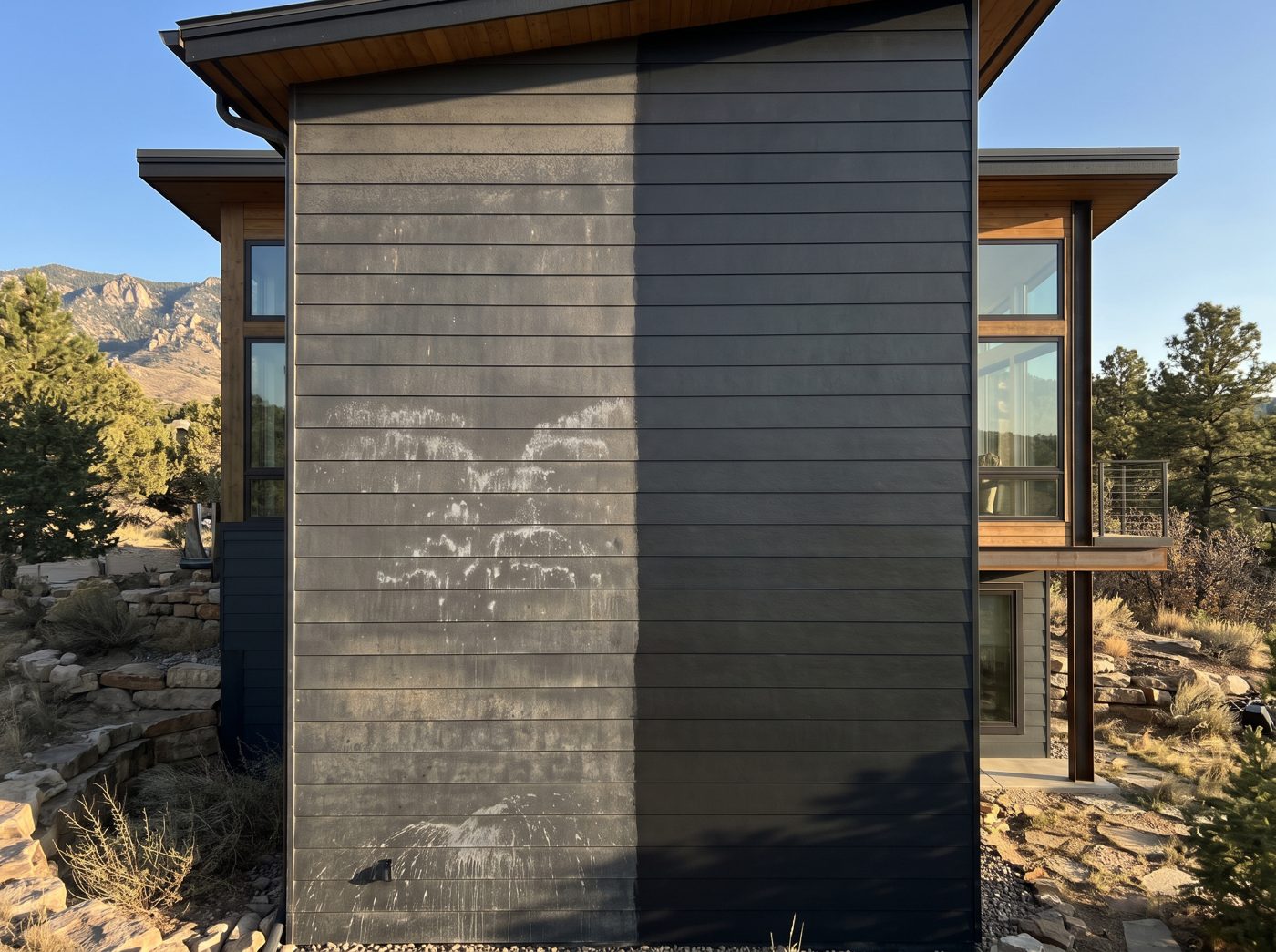
Pressure washing is the backbone of everything we do. It means blasting dirt, grime, oil, and growth off hard surfaces with a high-volume stream of water, usually heated. On the right surface it is the fastest way to bring concrete, brick, and stone back to the color it was the day it was poured or laid. On the wrong surface, with the wrong tip or too much pressure, it can etch concrete, strip mortar, and fuzz wood. That difference is the whole job.
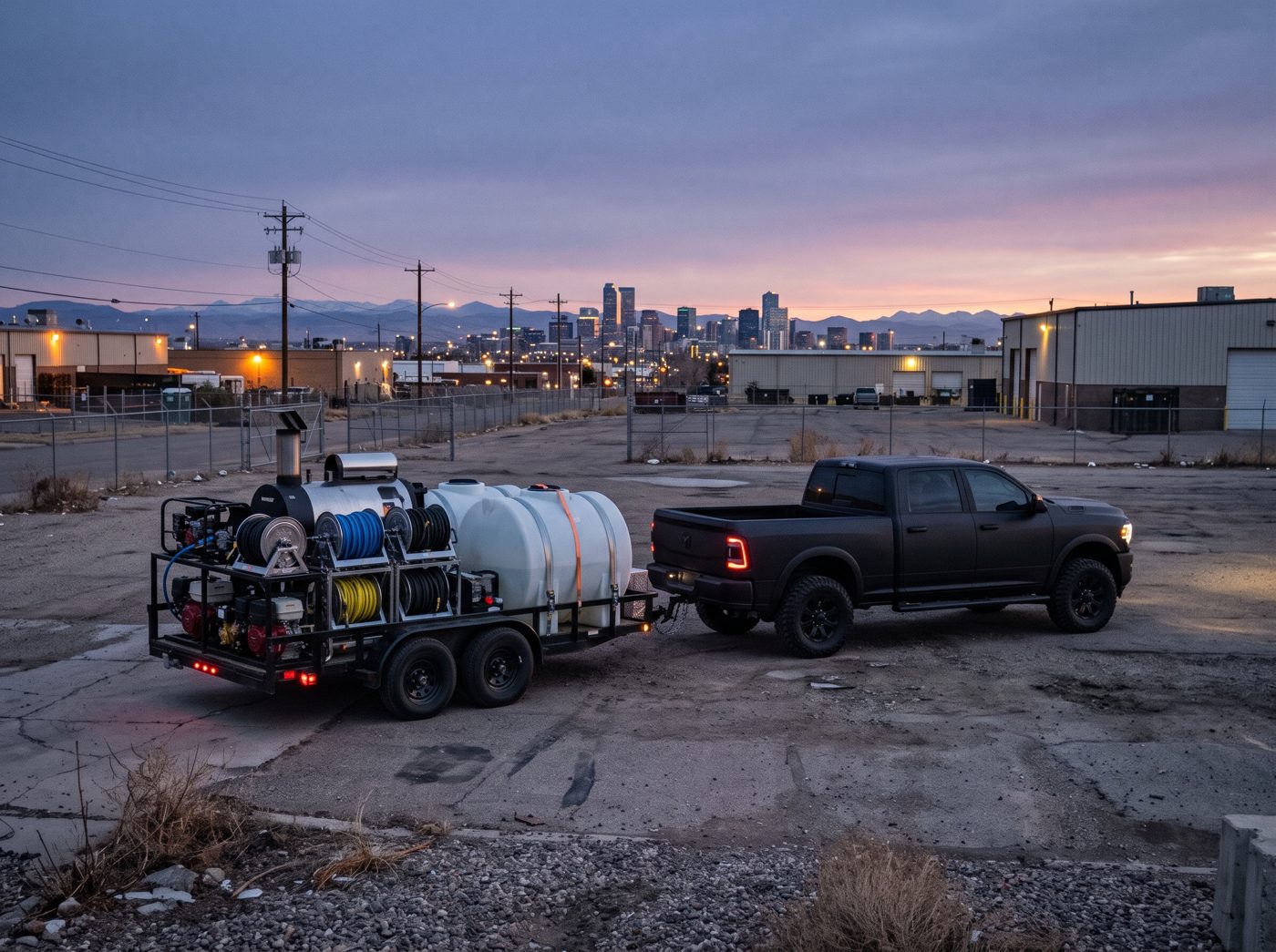
Our crews run trailer-mounted hot water units, not rented cold water machines from the hardware store. Heat breaks down grease and road film that cold water just pushes around, which means fewer passes, less pressure, and a cleaner finish. We quote flat-rate, show up when we say we will, and leave the site cleaner than we found it.
Equipment and method
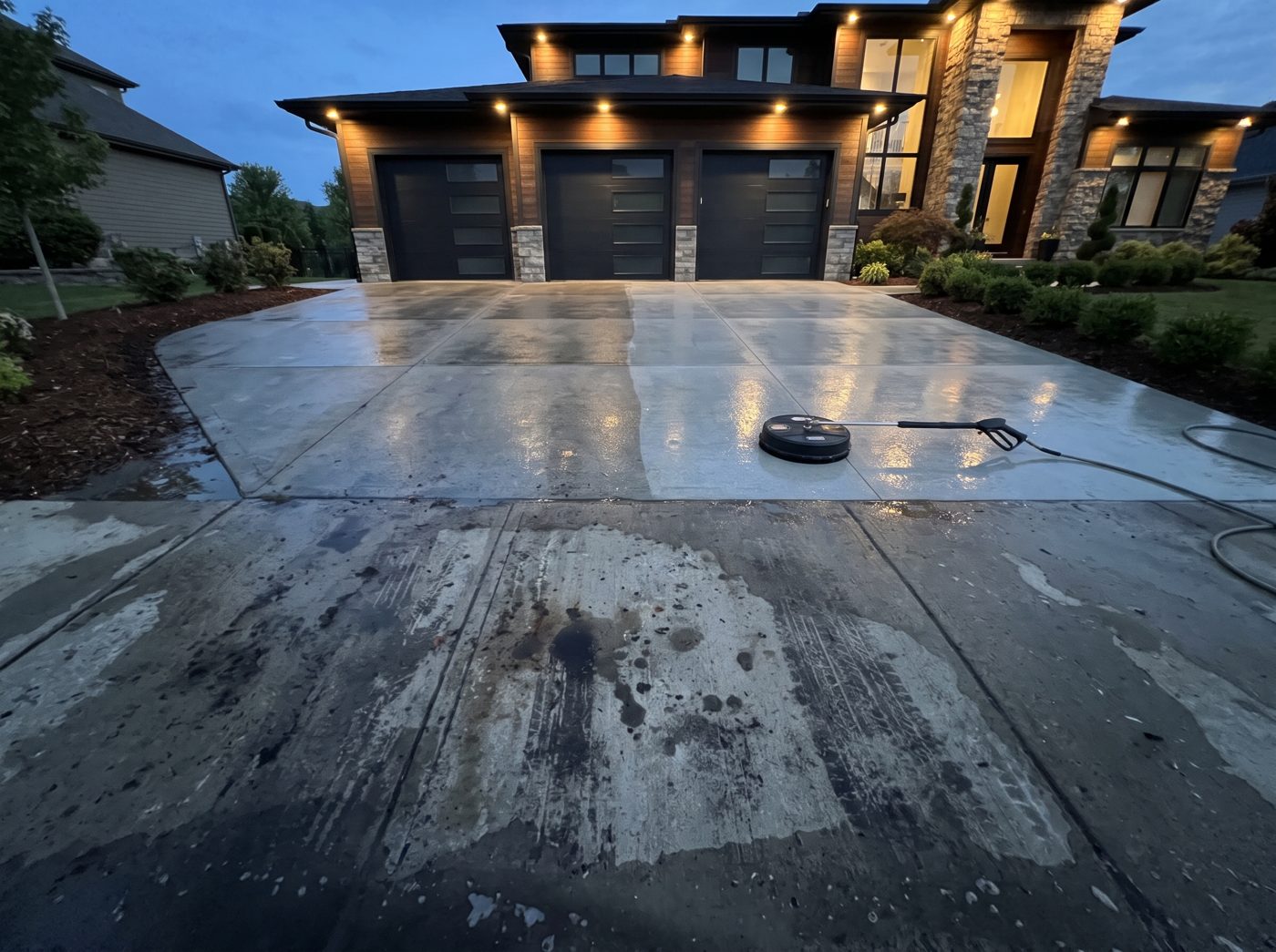
Every rig carries a burner-equipped pressure washer that delivers water up to 200 degrees Fahrenheit at 4,000 PSI and 8 gallons per minute, a buffer tank so we are never starved for flow, and hundreds of feet of hose so the trailer stays at the curb. For flat work we use spinning surface cleaners that hold the nozzles at a fixed height. That keeps the clean even and kills the zebra striping you see from a wand held by hand.
We pre-treat with the right chemistry for the stain, give it dwell time, wash, and then post-treat and rinse. Organic growth gets a different mix than grease. Efflorescence gets a different mix than both. Plants near the work area get pre-wet and rinsed so overspray does not burn them.
What is included
- A walkthrough before the water goes on, so you know what will and will not come out
- Pre-treatment matched to the stain: grease, organic growth, mineral, or road film
- Hot water surface cleaning on all flat concrete in the quote
- Wand detailing on edges, steps, corners, and expansion joints
- Post-treatment and a full rinse of nearby siding, windows, and landscaping
- A final walk with you before we roll up the hose
Signs you need it
- Concrete that has gone gray, brown, or blotchy
- Black or green growth on the shaded side of walls and steps
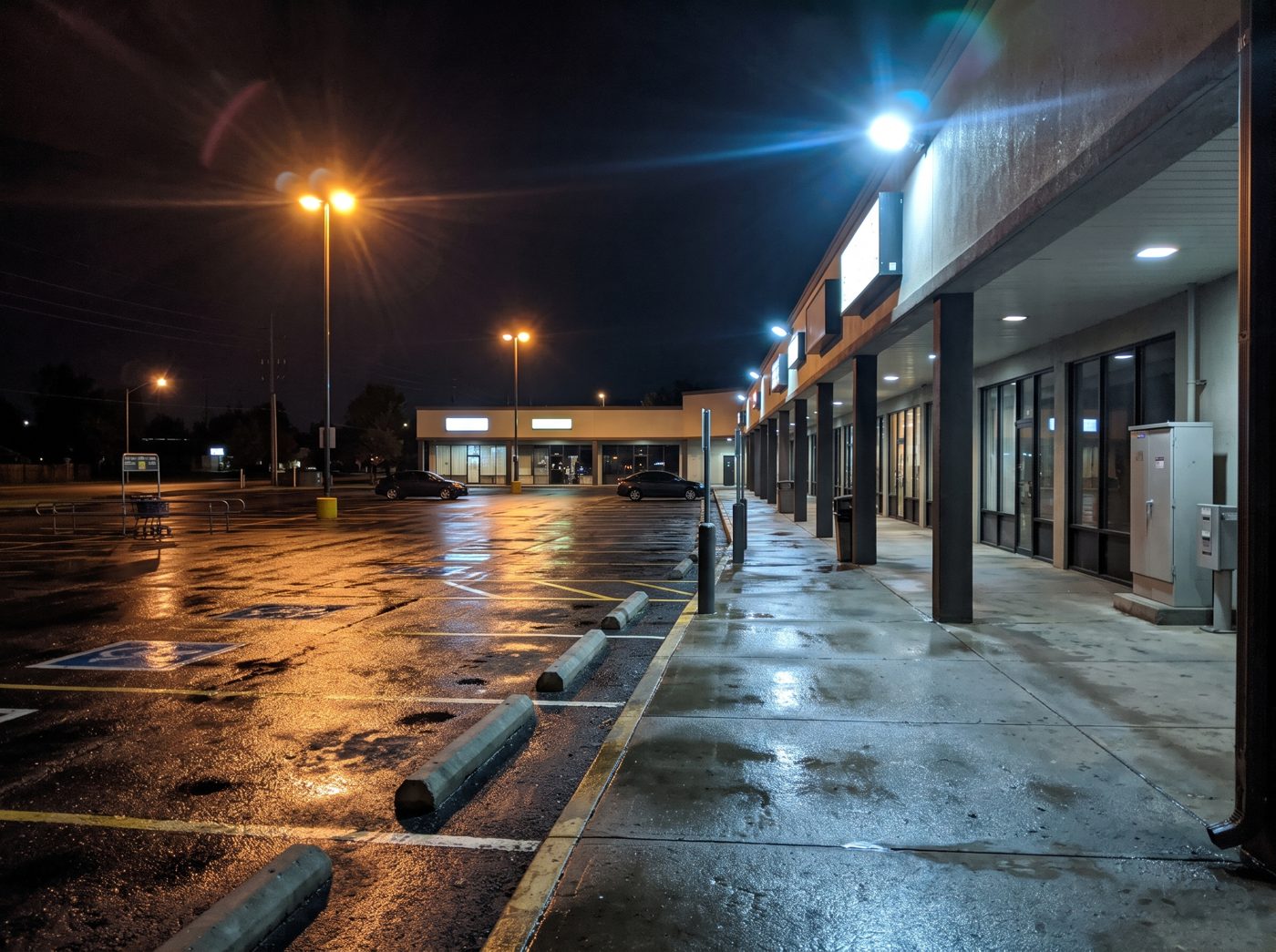
- Slippery walkways after a spring rain
- Dark tire tracks and drip spots where you park
- A house you are about to list, or a rental you need to turn over
The Colorado angle
Denver is hard on hard surfaces. Dry wind drives fine dust into every pore of the concrete. Winter road crews spread magnesium chloride that tracks onto driveways and leaves a white, crusty film that eats at the surface over time. Freeze-thaw cycles open small cracks that trap dirt and let water in. A spring hot water wash clears the winter mag chloride before it does more damage, and a fall wash gets the surface clean before it freezes.
Quick answers
Will pressure washing damage my concrete?
Not when it is done right. We match pressure, tip, and distance to the surface and let hot water and chemistry do most of the work. Etched concrete usually comes from a cheap wand held too close, not from the process itself.
Do I need to be home?
Not usually. We need access to an outdoor spigot and an outlet, and the gates unlocked. We text when we arrive and send photos when we finish.
How long does it take?
A typical driveway, walkway, and front porch takes two to three hours. A full property package with the house wash and flat work is usually a single day.
More questions? See the full FAQ or contact the crew.