What it is
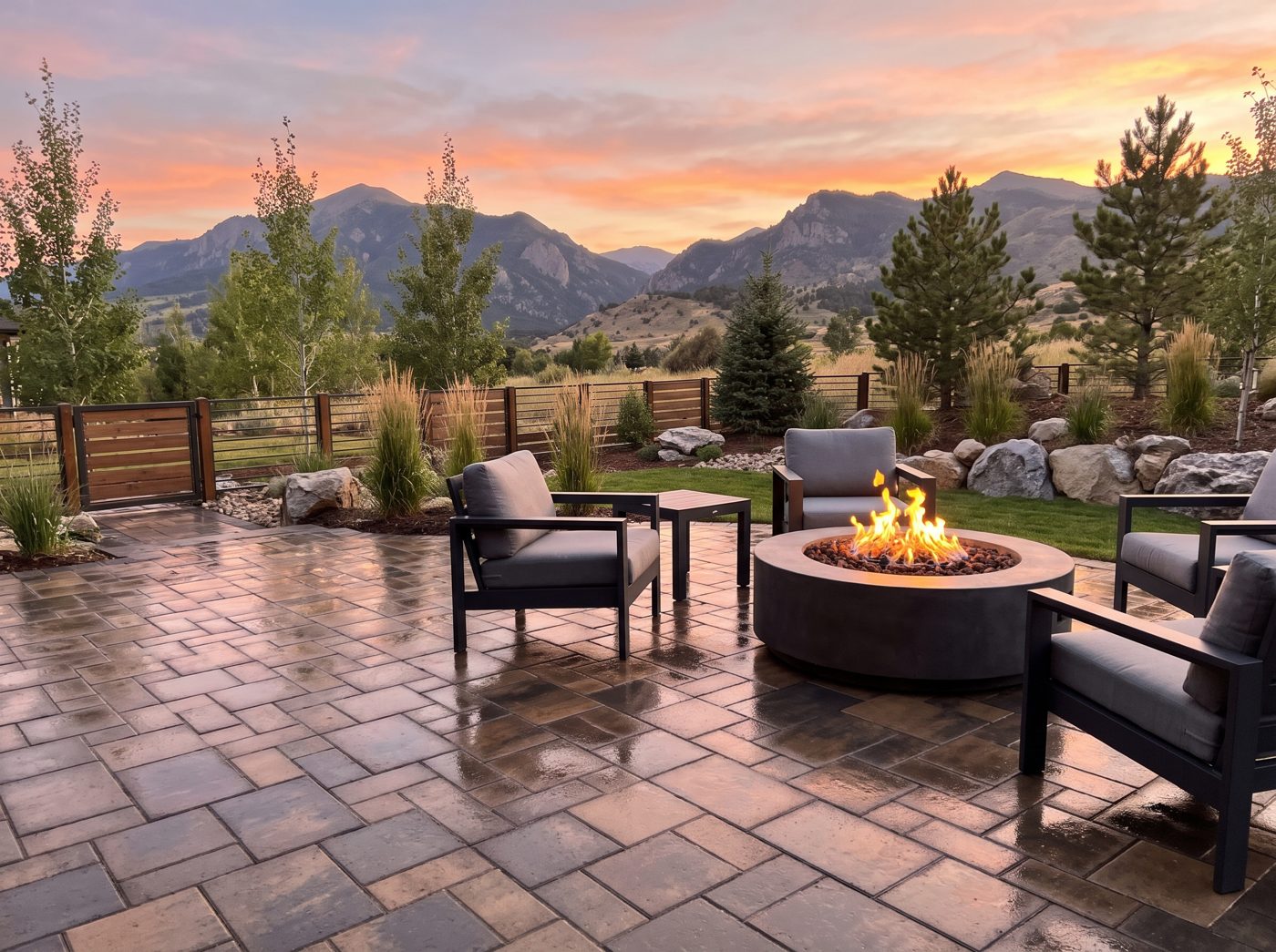
Paver sealing is a three-part job. First we deep clean the pavers to strip out dirt, growth, efflorescence, and old sealer residue. Then we sweep new polymeric sand into the joints, which hardens and locks the pavers together. Last, we apply a sealer that protects the surface, brings back color, and helps keep weeds and ants from moving back in.
Done right, it turns a faded, weedy patio into something that looks freshly installed. Done wrong, sealer goes on over dirt or moisture and turns cloudy, which is a common call we get to fix. We only seal clean, dry pavers, and we pick the sealer for the look you want: a natural matte finish or a richer wet look.
Equipment and method
Cleaning is done with hot water and a surface cleaner set at a lower pressure, so we do not blow out the joints more than we have to. Efflorescence, the white chalky haze on new and old pavers, gets its own cleaner. After the wash the pavers need to dry, which in Denver's climate is usually the same day or the next morning.
Polymeric sand is swept in and compacted, and the haze is blown off the surface before it is misted to activate. Sealer is applied with a low-pressure sprayer and back-rolled in even coats. We tape off siding, doors, and anything else that should not get sealed.
What is included
- Hot water deep clean of the full paver area
- Efflorescence and old sealer haze treatment
- Weed and organic growth removal from the joints
- New polymeric joint sand swept and activated
- Sealer in your choice of matte or wet-look finish
- Masking of siding, doors, and fixtures before sealing
Signs you need it
- Weeds and grass coming up between pavers
- Joints that are empty or washing out
- A white chalky haze on the surface
- Faded color compared to when it was installed
- Pavers that shift or rock when you step on them
The Colorado angle
Pavers handle Denver's freeze-thaw better than a solid slab because each one can move a little. The weak point is the joints. Spring storms and sprinklers wash the sand out, and empty joints let pavers shift and weeds take over. High UV bleaches color in a few summers. Sealing blocks a lot of that fade and keeps the new joint sand locked in through hail and heavy rain. Plan to reseal every two to three years.
Quick answers
How long before I can use the patio?
Light foot traffic is usually fine after a few hours. We ask for 24 hours before patio furniture goes back and 48 hours before you drive on a sealed paver driveway.
Will sealer make my pavers slippery?
A wet-look sealer can be a little slicker when wet. We can add an anti-slip additive for pool decks and steps.
Can you seal in the fall?
Yes, as long as daytime and overnight temperatures stay above the sealer's minimum for a day or two after. In Denver that usually means wrapping up sealing by mid-October.
More questions? See the full FAQ or contact the crew.